

 Feed back
 Privacy Policy
InsureSage
For American homeowners, filing
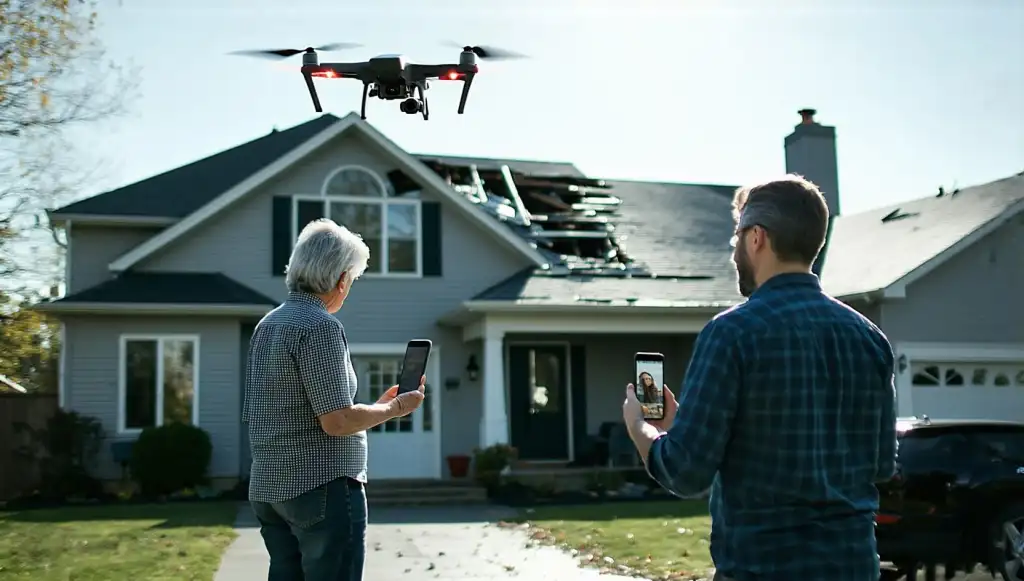
The most dramatic example of smart insurance systems comes from Lemonade Insurance, whose AI chatbot "Jim" processed a claim in just 3 seconds during 2021 - a feat impossible with traditional methods. This breakthrough demonstrates how claims processing technology can eliminate wait times that previously stretched 10-15 days according to Insurance Information Institute data.
Major insurers like State Farm and Allstate now use similar AI tools that analyze damage photos with 90%+ accuracy (per III 2022 report), verify policy details automatically, and process payments without human intervention. The result? Claims that once took weeks now resolve in hours.
McKinsey's 2023 analysis reveals insurers using home insurance claims with AI and automation achieve:
These improvements stem from AI's ability to handle high claim volumes consistently, while human adjusters focus on complex cases requiring judgment - a hybrid approach now adopted by 60% of U.S. insurers (III 2022).
The journey of home insurance claims processing has evolved through distinct phases:
| Metric | Traditional | AI-Powered |
|---|---|---|
| Processing Time | 10-15 days | 1-3 days |
| Fraud Detection | 60-70% | 90%+ |
| Customer Satisfaction | 65-75% | 85-95% |
| Cost Per Claim | $150-$200 | $75-$100 |
This data from III and McKinsey demonstrates how claims processing technology creates value across all performance dimensions.
Emerging smart insurance systems are shifting from reactive to proactive models:
These innovations promise to reduce claim frequency by up to 35% according to Accenture projections, fundamentally changing home insurance claims with AI and automation.

AI analyzes thousands of data points - from claim history to image metadata - identifying suspicious patterns humans might miss. According to the Coalition Against Insurance Fraud, AI systems catch 25% more fraudulent claims than traditional methods.
No - the Bureau of Labor Statistics projects 5% growth for claims adjusters through 2031. AI handles routine claims while humans manage complex cases and customer relations, creating a hybrid workforce.
Absolutely. Lemonade's 3-second claim processing demonstrates the potential, while industry-wide data shows AI reduces average processing times from weeks to days (McKinsey 2023).
Disclaimer: This content about Tech Integration in Home Insurance Claims Processing is for informational purposes only and does not constitute professional advice. Consult licensed insurance professionals for guidance specific to your situation. The author and publisher disclaim liability for any actions taken based on this information.
Nathaniel Carter
|
2025.08.06
