

 Feed back
 Privacy Policy
InsureSage
Adventure tourism has transformed from niche excursions to mainstream vacations, with millions of Americans now pursuing adrenaline-fueled experiences. The Adventure Travel Trade Association reveals a 65%market growth in the past decade, yet a dangerous gap persists - only 29% of adventure travelers secure proper travel insurance for adventure sports enthusiasts. This oversight can turn what should be memorable experiences into financial catastrophes when accidents occur during high-risk activities.
From rock climbing in Kentucky's Red River Gorge to heli-skiing in Utah's Wasatch Mountains, adventure tourism now attracts over 18 million annual participants according to 2023 data. This shift reflects changing traveler priorities, particularly among millennials and Gen Z who value experiences over possessions. National park visitation records continue to shatter, with outdoor recreation contributing $454 billion annually to the U.S. economy (Outdoor Industry Association, 2023).
While 43% of U.S. adults engage in outdoor adventures annually, CDC data shows over 40,000 resulting injuries require medical attention. Despite these risks, the Outdoor Industry Association reports that fewer than 3 in 10 adventure travelers purchase specialized travel insurance covering their activities. This coverage gap becomes particularly concerning when considering that standard policies often exclude high-risk activity coverage for sports like mountaineering or whitewater kayaking.
Basic travel insurance typically covers trip cancellations, lost luggage, and minor medical issues - but explicitly excludes dangerous activities. A policy might cover a twisted ankle from museum stairs but deny claims for identical injuries from bouldering. The Insurance Information Institute warns that 62% of adventure-related claims get denied under standard policies, leaving travelers liable for expensive medical bills and evacuation costs.
Proper travel insurance for adventure sports enthusiasts includes five critical protections missing from standard plans: comprehensive medical treatment in remote areas (minimum $100,000 recommended), worldwide medical evacuation, search and rescue operations, trip interruption coverage for activity-related injuries, and third-party liability protection. Some premium policies extend to extreme sports like wingsuit flying and cave diving, though always verify specific activity inclusions.
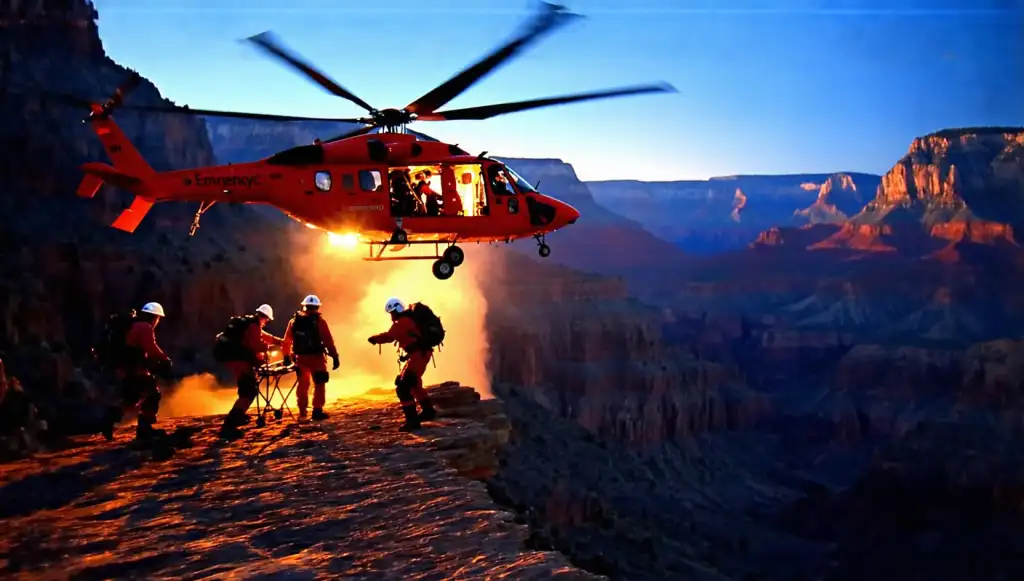
A 2022 incident in Grand Canyon National Park demonstrated the value of emergency rescue coverage when a German climber's 200-foot fall triggered a $40,000 evacuation. Similarly, Yellowstone National Park reports averaging 300 search-and-rescue operations annually, with helicopter evacuations costing $25,000-$75,000 depending on location and complexity. Without proper travel insurance, these costs become the patient's responsibility - often exceeding vacation budgets by 10-20 times.
Quality travel insurance for adventure sports enthusiasts provides 24/7 emergency coordination, arranging everything from helicopter lifts to international medical repatriation. Global Rescue, a leading provider, handles over 5,000 evacuations annually, with average costs of $35,000 per incident. Policies typically specify geographic coverage areas (domestic vs. worldwide) and maximum benefit amounts ($100,000-$500,000), making careful comparison essential.
When evaluating travel insurance for adventure trips, prioritize these non-negotiable elements: explicit listing of your planned activities under high-risk activity coverage, minimum $100,000 medical evacuation coverage, 24/7 multilingual assistance, trip cancellation protection including "adventure-related injury" as valid cause, and coverage for pre-existing conditions (if properly disclosed). Always verify altitude limits for mountain activities and depth restrictions for diving.
Four insurers dominate the travel insurance for adventure sports enthusiasts market: World Nomads (best for flexibility and last-minute bookings), Allianz (superior for group policies), Travelex (top-rated emergency assistance), and IMG (ideal for international coverage). Premiums typically range from 4-12% of total trip cost, with extreme sports riders adding 15-30%. The 2023 InsureMyTrip report shows World Nomads processing 89% of adventure claims within 14 days - the industry's fastest turnaround.

A 2021 incident at Vail Ski Resort demonstrated the value of proper coverage when a Texas skier's collision with a tree resulted in a fractured pelvis and $38,000 in medical/evacuation costs. His travel insurance for adventure sports enthusiasts from World Nomads covered everything, including the $18,000 helicopter evacuation to Denver Health Medical Center. Without coverage, the financial impact would have exceeded his annual salary.
On North America's tallest peak, an unguided climber's severe altitude sickness at 18,000 feet triggered a $20,000 National Park Service rescue operation. His Global Rescue membership through IMG's travel insurance policy covered the entire cost, including subsequent hospitalization in Anchorage. Denali National Park reports 100+ annual climbing rescues averaging $15,000 each - costs rarely covered by standard insurance.
The exponential growth of adventure tourism brings corresponding risks that generic travel insurance simply can't address. Whether you're planning a weekend rock climbing trip or a months-long global expedition, securing proper travel insurance for adventure sports enthusiasts with robust high-risk activity coverage and emergency rescue provisions isn't optional - it's as essential as your gear. The relatively small premium (often less than daily equipment rental costs) provides peace of mind that allows you to fully embrace life's most thrilling experiences.
Disclaimer: This article provides general information about travel insurance for adventure activities only. Coverage varies by provider, policy and individual circumstances. Always review policy documents thoroughly and consult with licensed insurance professionals before purchasing coverage. The author and publisher assume no liability for decisions made based on this content.
Marcus Adventureton
|
2025.08.07
