

 Feed back
 Privacy Policy
InsureSage
The United States faces an alarming rise in climate-related disasters that are dramatically impacting car insurance claims. As extreme weather events become more frequent and severe, American drivers are experiencing unprecedented financial consequences through rising premiums and coverage gaps. Understanding the critical connection between car insurance and climate change has never been more urgent for policyholders seeking adequate protection against extreme weather damage.
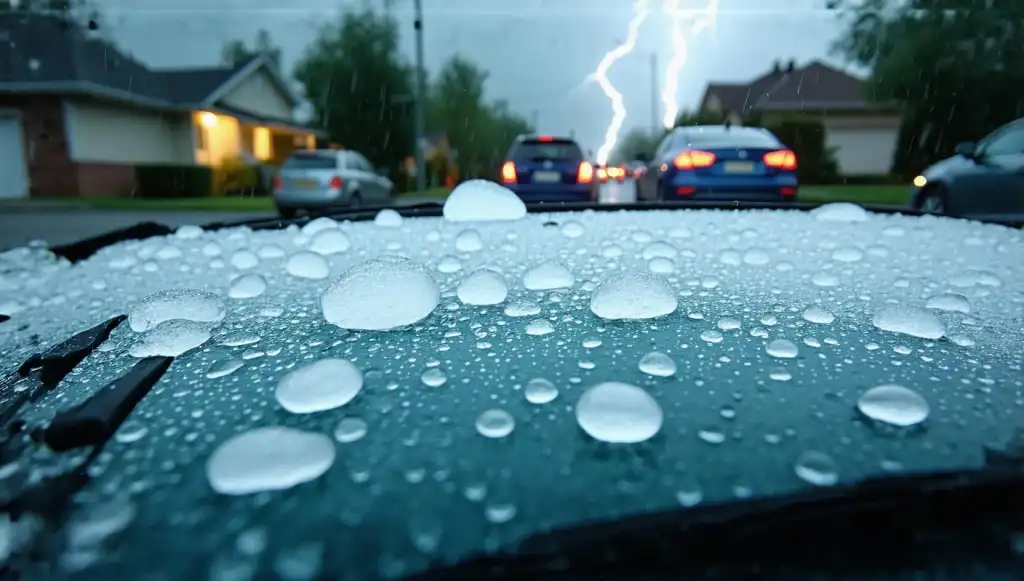
Recent catastrophic events demonstrate how climate change is transforming car insurance risk models. Hurricane Ida (2021) caused over $75 billion in damages, including thousands of flooded vehicles in New York City where insurers paid hundreds of millions in claims. The 2023 Canadian wildfires created a 30% spike in comprehensive claims for smoke-damaged vehicles across northeastern states. These cases reveal how car insurance and climate change now form an inseparable financial relationship with costly consequences.
Insurance Information Institute data shows a 47% increase in weather-related auto claims since 2010. Comprehensive claims (covering flood risk coverage and other climate damages) jumped from $3.8 billion in 2010 to $6.3 billion in 2023 - a 66% increase. This trend confirms that extreme weather damage is no longer exceptional but a standard risk factor in car insurance calculations.
Modern vehicles face multiple climate threats that impact car insurance claims differently. Floodwaters destroy electrical systems (average claim: $8,000), while hailstorms cause body damage (average $3,500 per claim). Wildfire smoke infiltration leads to expensive interior repairs, and hurricanes often result in total losses. These diverse damage patterns require specialized coverage that many standard car insurance policies don't fully address.
Regional vulnerability significantly affects car insurance rates. The Southeast faces highest flood risk (45% of all flood claims), while Midwest hailstorms account for 60% of comprehensive claims. Western wildfire zones see 22% higher premiums, and northeastern winter storms cause 35% more collision claims. Insurers now use climate modeling to adjust rates, with Texas hail-prone areas seeing 20% premium increases.
Most drivers don't realize standard car insurance excludes standalone flood protection. While comprehensive coverage includes flood damage, 40% of drivers in flood zones lack this optional protection according to FEMA data. Even with coverage, many policies reduce payouts for older vehicles or "preventable" damage, leaving drivers financially vulnerable to extreme weather damage.
Progressive insurers now offer flood-specific endorsements (average $150/year added premium). Louisiana and Florida are considering legislation requiring flood risk disclosures in car insurance policies, mirroring homeowner insurance requirements. The National Flood Insurance Program reports these reforms could protect 2.3 million at-risk vehicles currently underinsured.
Major insurers are adopting AI-powered climate models that analyze real-time weather data, leading to targeted rate increases. Louisiana saw 18% premium hikes in coastal areas, while California wildfire zones experienced 22% increases. These changes reflect the growing recognition that car insurance and climate change risks require dynamic pricing models beyond traditional actuarial methods.
The industry is developing climate-resilient products including telematics policies that reward safe parking during storms (15% average discount). Real-time weather alerts now cover 60% of policyholders, and experimental climate risk scores help personalize coverage. These innovations aim to balance rising costs with consumer protection against extreme weather damage.

Policyholders must take proactive steps: reviewing coverage annually (only 32% do), understanding flood risk coverage limitations, and utilizing climate-safe parking. The Insurance Research Council recommends maintaining emergency funds equal to 5% of vehicle value for climate-related deductibles.
The NAIC's Climate Risk Disclosure Task Force is establishing standardized reporting for insurers. Seven states are considering legislation to subsidize comprehensive coverage in high-risk areas, potentially benefiting 12 million drivers. These measures acknowledge that car insurance must evolve alongside climate change realities.
The intersection of car insurance and climate change represents one of the most significant financial challenges for American drivers. With extreme weather damage claims increasing 66% in a decade and flood risk coverage gaps leaving millions vulnerable, both industry innovation and consumer education are essential. As climate models predict worsening conditions, the car insurance sector must continue adapting its products, pricing, and policies to this new era of environmental risk.
Does car insurance automatically cover flood damage?
Only if you have comprehensive coverage - about 58% of policies include this according to III data.
How much have climate-related premiums increased?
High-risk areas average 18-22% increases since 2020, with some regions seeing 30% hikes.
What's the single best protection against climate damage?
Comprehensive coverage plus understanding your specific regional risks for extreme weather damage.
Disclaimer: The information provided about car insurance and climate change is for general educational purposes only. Policy details vary by provider and state regulations. Consult licensed insurance professionals for advice specific to your situation. The author assumes no liability for actions taken based on this content.
Michael Carter
|
2025.08.07
