

 Feed back
 Privacy Policy
InsureSage
The global travel landscape has undergone seismic changes since the pandemic began. With border closures, sudden quarantine mandates, and evolving health risks, travel insurance has transformed from optional to essential. In the United States, where travel demand surged 37% in 2023 (U.S. Travel Association data), understanding travel insurance coverage for pandemic-related risks has become crucial for every traveler.

When COVID-19 emerged, insurers like Allianz and AIG Travel rapidly introduced specialized coverage including medical treatment for COVID-19 and quarantine cost reimbursement. By 2022, 89% of U.S. travel insurance policies included some form of pandemic protection (IBISWorld data). However, as vaccination rates exceeded 70% nationwide (CDC), these specialized coverages began disappearing from standard policies.
Recent data shows dramatic shifts in coverage and claims. Pandemic-related claims dropped from 42% of all travel insurance claims in 2021 to just 15% in 2023 (Squaremouth). Meanwhile, average premiums decreased by 13% year-over-year in 2023 as insurers recalibrated risk assessments. Notably, only 32% of current U.S. travel insurance policies automatically include pandemic coverage compared to 92% during peak COVID years.
Modern travel insurance now incorporates dynamic responses to changing global health protocols. Leading providers like Travel Guard now use AI systems that automatically update coverage based on CDC and WHO alerts. This real-time adjustment capability has become particularly valuable for U.S. travelers visiting countries with fluctuating entry requirements.
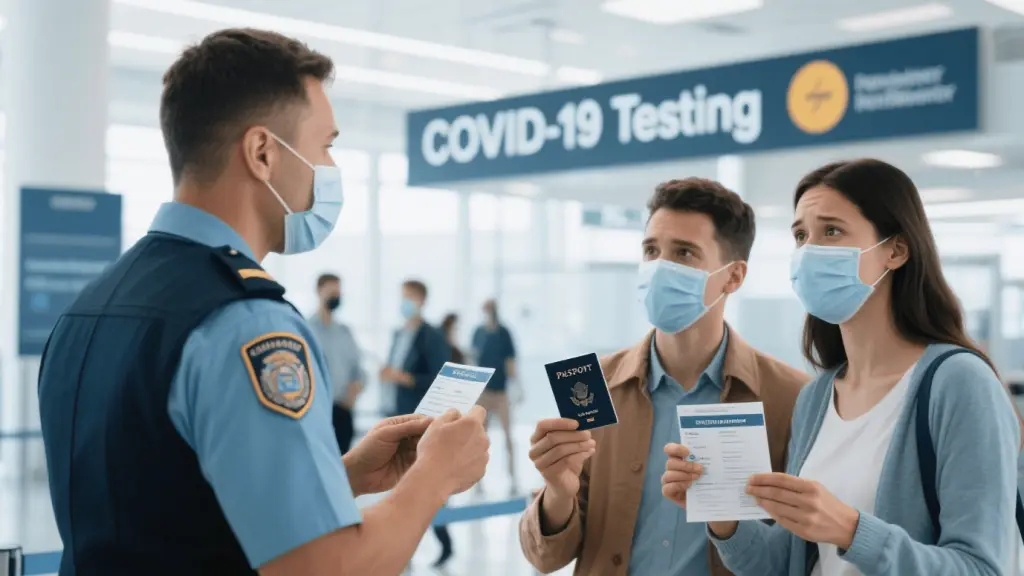
A 2023 case study involving a family trip to Italy demonstrates these changes. When Italy suddenly reinstated testing requirements, the family's Allianz policy covered their $2,800 in additional testing and accommodation costs thanks to its "health protocol change" rider. However, similar claims were denied by other insurers lacking this specific coverage, highlighting the importance of policy details.
Analysis of trip cancellation trends reveals significant post-pandemic shifts. While pandemic-related cancellations dropped to 11% in 2023, weather-related cancellations surged to 29% (TravelInsurance.com). The average cost of cancellation coverage has decreased by 18% since 2021, but now covers more non-pandemic scenarios like extreme weather events and personal emergencies.
Modern policies increasingly focus on flexibility. "Cancel For Any Reason" (CFAR) coverage, purchased by 43% of U.S. travelers in 2023 (Squaremouth data), illustrates this shift. These policies typically cost 40-60% more but provide greater peace of mind in our uncertain travel environment.
When evaluating travel insurance, U.S. travelers should prioritize:
[Disclaimer] The information provided about Post-Pandemic Travel Insurance Demand Shifts is for general guidance only and does not constitute professional advice. Readers should consult qualified insurance professionals before making decisions. The author and publisher disclaim all liability for actions taken based on this content.
Michael Carter
|
2025.08.06
