

 Feed back
 Privacy Policy
InsureSage
American drivers are facing unprecedented car insurance cost increases that show no signs of slowing down. According to recent data from the Insurance Information Institute, average annual premiums surged by 14.5% in 2023 alone - the steepest single-year jump in over a decade. This alarming trend isn't isolated to high-risk drivers either; even those with spotless records are seeing double-digit percentage hikes in their car insurance bills. The perfect storm of economic inflation, advanced vehicle technology, and shifting regulatory landscapes has created a crisis that demands immediate consumer awareness and strategic action.
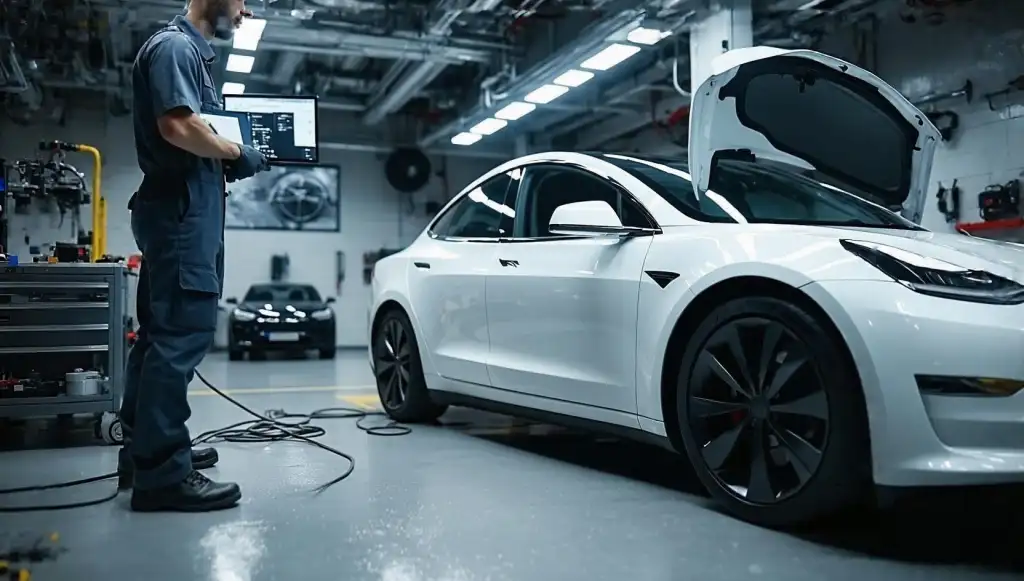
The connection between inflation and car insurance cost increases has never been more direct. The U.S. Bureau of Labor Statistics (BLS) reports that the Consumer Price Index for motor vehicle insurance rose 20.3% from June 2022 to June 2023 - nearly triple the overall inflation rate. This disproportionate surge reflects how insurance companies are passing along their increased operational costs to policyholders through higher premiums.
Data from the National Association of Insurance Commissioners (NAIC) reveals a troubling correlation: for every 1% increase in the CPI's auto repair component, car insurance premiums rise by approximately 1.2%. This multiplier effect stems from multiple inflationary pressure points:
Major insurers like Allstate and State Farm have publicly disclosed their struggles with rising costs. Allstate's Q2 023 earnings report showed a 12% increase in claims severity (average payout per claim), while State Farm reported a 9% jump in vehicle repair costs. These trends force insurers to adjust their car insurance pricing models to maintain financial stability, often resulting in double-digit premium increases for consumers.
Modern vehicles' technological sophistication comes with hidden costs that directly impact car insurance premiums. The National Highway Traffic Safety Administration (NHTSA) found that repairing a late-model vehicle now costs 37% more than equivalent repairs five years ago - a trend that shows no signs of reversal.
Advanced Driver Assistance Systems (ADAS) have transformed vehicle safety but created new challenges for insurance claims:
These technological advancements have made even minor accidents significantly more expensive to repair, contributing directly to the car insurance cost increases consumers are experiencing.
The debate between original equipment manufacturer (OEM) parts and aftermarket alternatives has become a flashpoint in vehicle repairs. A 2023study by the Automotive Body Parts Association found:
Part Type
| Average Cost | Repair Frequency | |
|---|---|---|
| OEM | $1,250 | 42% of claims |
| Aftermarket | $850 | 58% of claims |
This cost differential puts insurers in a difficult position - balance sheet pressures push them toward aftermarket parts, while consumer expectations and some state regulations favor OEM components. The resulting tension adds complexity to claims processing and contributes to rising vehicle repair costs across the industry.
The U.S. insurance market's state-by-state regulatory framework creates dramatic variations in how car insurance cost increases are implemented and controlled. Data from the National Association of Insurance Commissioners (NAIC) shows approval rates for requested premium increases range from 92% in less-regulated states to just 34% in strictly controlled markets.
A comparison of three major markets reveals stark differences in insurance rate regulation:
These regulatory differences explain why car insurance cost increases vary so dramatically by location, with some states seeing annual premium jumps exceeding 25% while others maintain relative stability.
State insurance commissioners face an impossible balancing act - keeping premiums affordable while ensuring insurers remain financially viable. The Florida property insurance crisis offers a cautionary tale: after years of suppressing rate increases, multiple insurers became insolvent, leaving consumers with fewer options and ultimately higher costs. This dynamic demonstrates how restrictive insurance rate regulation can sometimes backfire, creating less stable markets with more volatile pricing.

While systemic factors drive car insurance cost increases, consumers aren't powerless. Proven strategies can help mitigate the financial impact:
Innovative insurance models are gaining traction as consumers seek relief from car insurance cost increases:
Car insurance cost increases affect entire risk pools, not just individual drivers. Even with a perfect record, you share the impact of rising repair costs, increased claims in your area, and insurer financial pressures.
CCC Intelligent Solutions reports the average collision repair bill rose from $2,950 in 2018 to $4,123 in 2023 - a 39.8% increase that directly impacts insurance premiums.
State insurance rate regulation can slow increases but can't eliminate them entirely. Overly restrictive regulation may lead to reduced competition and availability of coverage options.
Disclaimer: The information provided about rising auto insurance costs is for general educational purposes only. Insurance regulations and market conditions vary by state and individual circumstances. For personalized advice regarding your car insurance needs, please consult with a licensed insurance professional in your area.
Michael Reynolds
|
2025.08.07
